CS2 Pro Settings
Sensitivity, crosshairs and configs of pro players. Click a player for full settings.
 1.27
 1.25
 1.24
 1.18
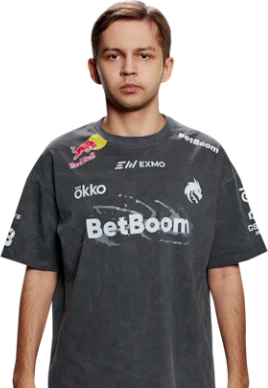 1.18
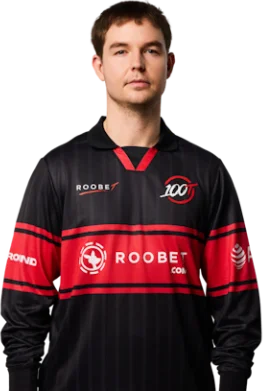 1.14
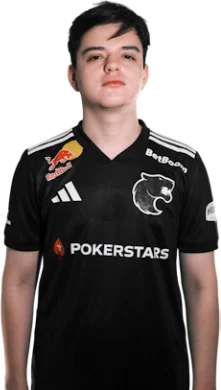 1.14
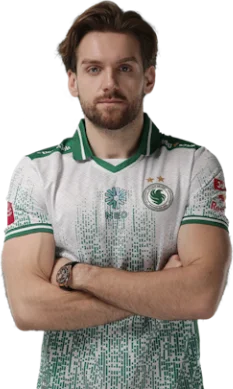 1.12
 1.12
 1.10
 1.10
 1.10
 1.10
 1.10
 1.09
 1.09
 1.08
 1.08
 1.07
 1.07
 1.07
 1.07
 1.06
 1.06
 1.06
 1.06
 1.05
 1.05
 1.05
 1.05
 1.05
 1.05
 1.04
 1.04
 1.04
 1.04
 1.03
 1.03
 1.03
 1.03
 1.03
 1.03
 1.03
 1.03
 1.03
 1.03
 1.03
 1.03
How to use pro settings
A pro config does not make the game better on its own. Half the fields in a player card follow from that person’s hardware and habits, not from a recipe. Here is what carries over as is and what makes no sense to copy.
All shares below are counted over our own settings database (897 players, refreshed October 27, 2026): percentages are taken against players with that field filled in, not against the whole database.
Sensitivity is compared by eDPI, not by the in-game number
The game stores sensitivity, but players cannot be compared by that value: the same number at 400 and at 1600 DPI turns the view at different speeds. The shared unit is eDPI, DPI multiplied by sensitivity. If a pro sits at 800 eDPI and your mouse is set to 1600 DPI, you need 0.5, not the number printed on his card. How the whole database spreads across eDPI is on the CS2 in numbers, and moving sensitivity between CS2 and Valorant is covered in a separate guide.
What carries over without recalculating
- System sensitivity. 95% of the database keep the Windows slider at the sixth notch, which is where it sits by default. If yours has been moved, put it back first: a sensitivity copied from someone else will behave differently on a scaled pointer.
- Scoped sensitivity (zoom_sensitivity_ratio). 78% never touch the default 1.0 at all.
- Crosshair code. It copies whole, thickness and colour included, and since the September 22 patch it draws the same at any resolution. Codes from the whole database sit in the crosshair showcase.
- Viewmodel. The median across the database is fov 68, for most players the top of the slider: the weapon is pushed as far away as the game allows so it covers less of the screen.
Graphics: why the scene sits on 4:3
81% of players with the field filled in play at 4:3, and 81% stretch it across the monitor. There is no hidden setting behind it: models look wider and closer, and there are fewer pixels than at 16:9, so frames come cheaper. The price is peripheral vision, because stretched 4:3 shows less at the edges of the screen than a widescreen ratio does. Resolution, refresh rate and mouse model are not worth copying at all: that part is about hardware, not about skill.
What a card does not contain
No line of settings replaces hours played: pros arrive at their numbers over years and change them rarely. For systematic work instead of borrowed figures, start with aim training and your own config with binds. Two specific players can be put side by side in the comparison.
All players in the database
Full list of 897 profiles with settings: open any player for sensitivity, crosshair and gear.